Empathic Autonomous Vehicle: From Human-Centred Lab to Real World
Description
Based on knowledge and methodology developed during one decade (ref), the next decade was focused on support the development of empathic autonomous vehicles based on Human Centred Design (ref) and real time monitor of drivers cognitive and emotional status.

Results
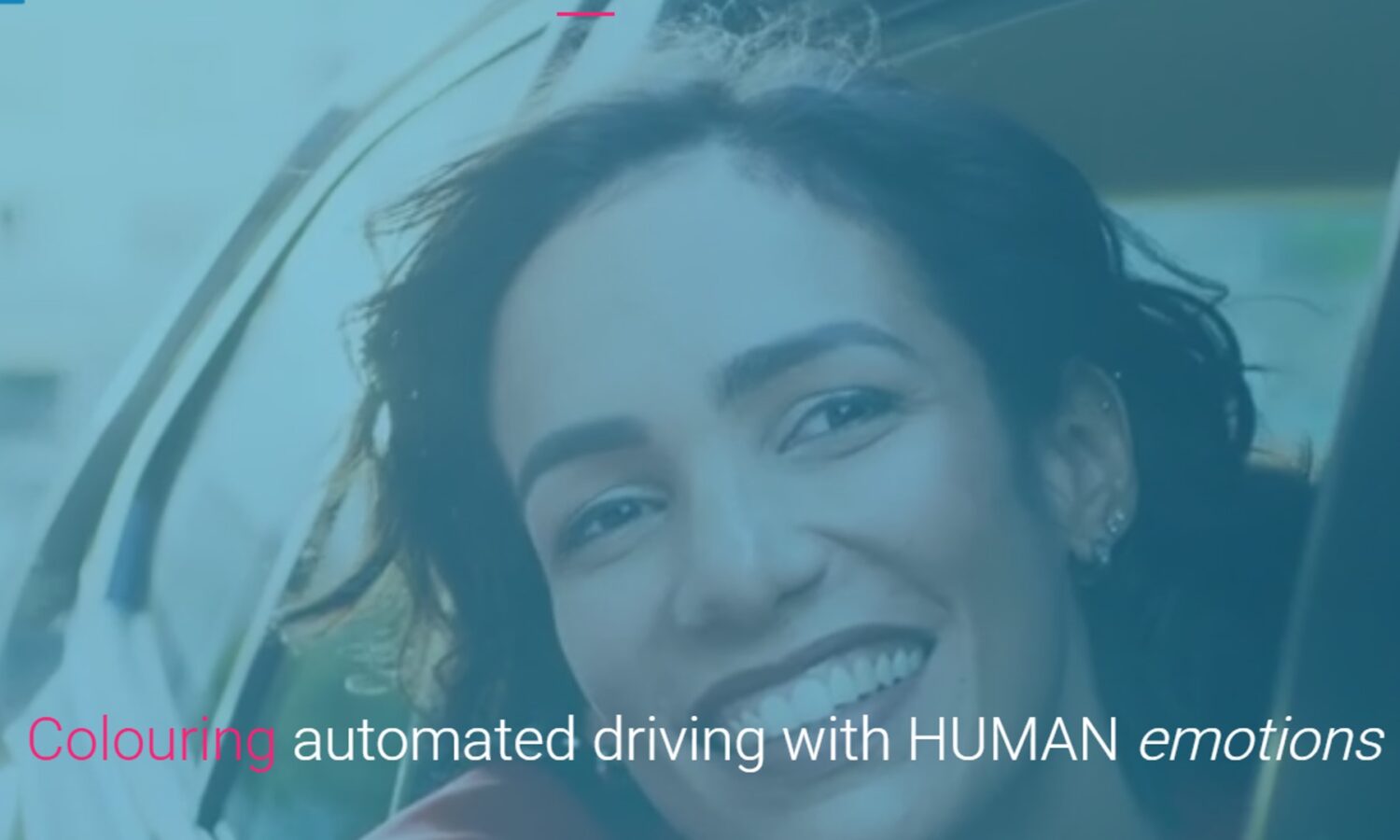
Firstly, during the SUaaVE project (2019-2022) we looked for Colouring automated driving with Human Emotions to enhance public acceptance of Connected Autonomous Vehicles (CAV), where the user is not only the centre of the process but actively contributes and even leads the definition of concept, development of technology and participates in its testing. SUaaVE focus on the human side, working to improve more “intangible” aspects as safety perception, attitudes and, in general, emotional appraisal of CAV. We developed a new paradigm of automation: ALFRED, a fundamental architecture to understand the emotions of the passenger on board and to adapt the vehicle features and behaviour to enhance the user experience.
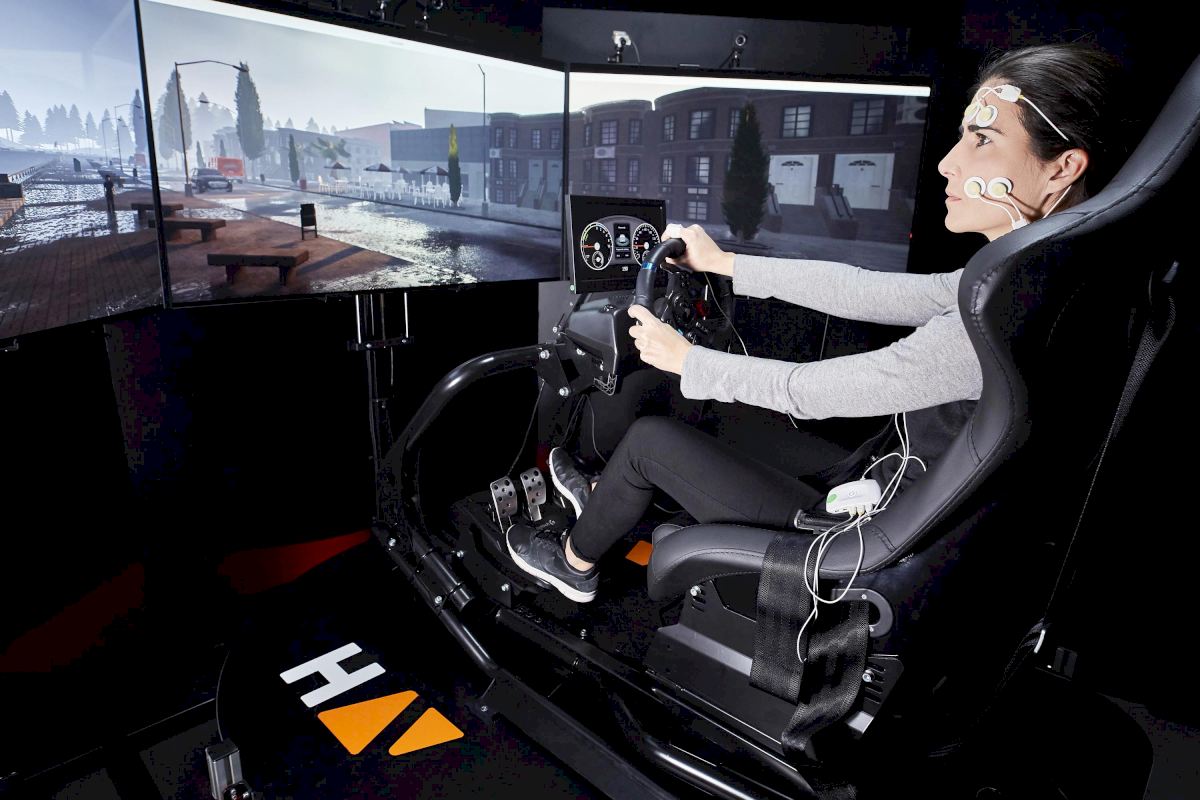
To achieve this objective, I led the definition, set-up and validation of Human Autonomous Vehicle –HAV-, a dynamic driving simulator that emulates the behaviour of a vehicle and real-time monitors the emotional response, mental status and behaviour of the occupants. This allows to support vehicel components and services development to enhance user acceptance.
More recently, along the BERTHA project (2023-2026), the focus was on develop driver behavioural model (DBM) for understanding human driving performance, a crucial aspect for safe and efficient development. This gap hampers the creation of connected systems that can interact predictably with a human perspective. BERTHA paves the way for more human-like connected autonomous vehicles and societal acceptance. My role was focused on how the emotions and mental status can impact on driver decisions, to allow CAV to adapt to unexpected driver behaviour.