Understand Preferences through Physiological Response
- Mass-product
- Mental
Description
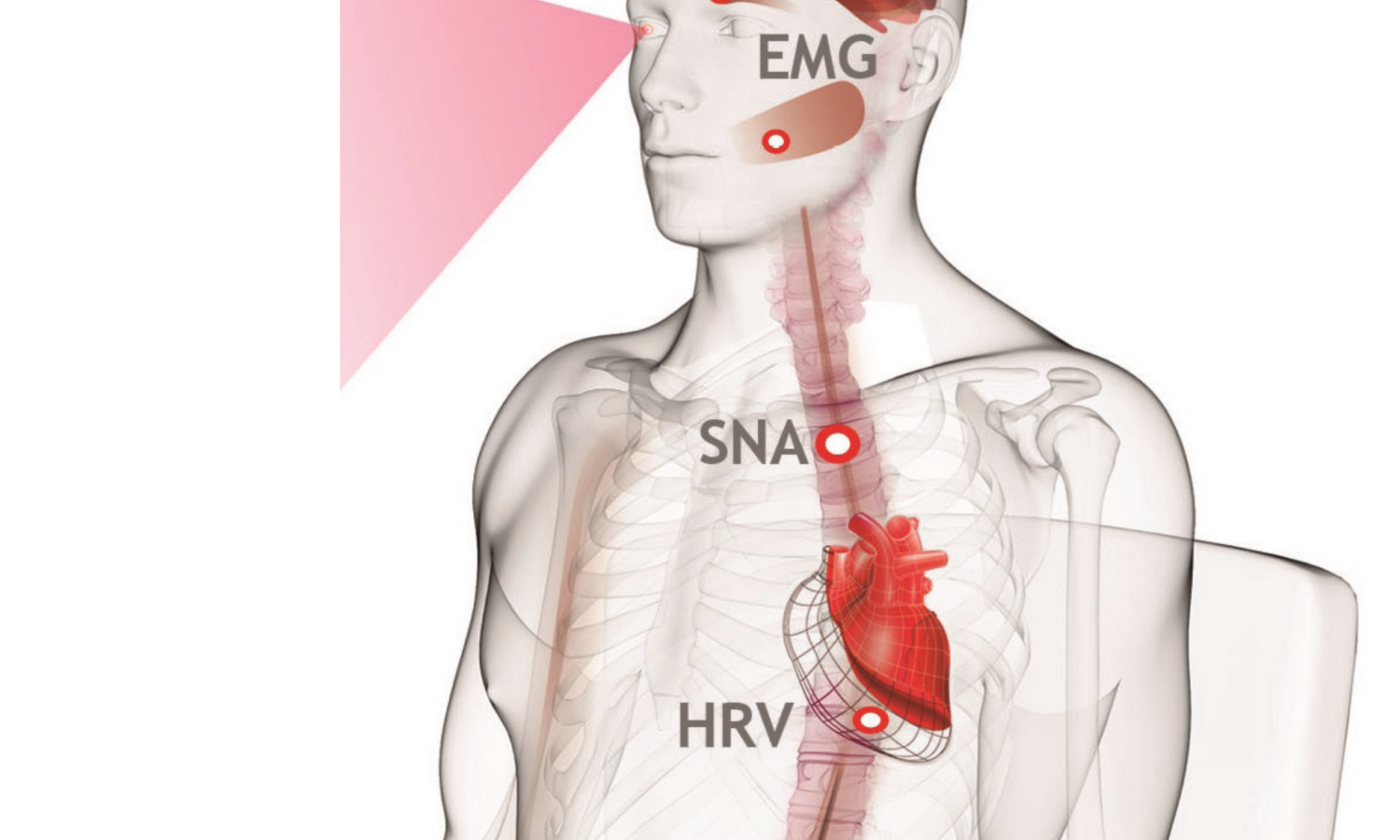
The scope was to detect user preferences and needs based on physiological response instead of using questionnaires or interviews, allowing to convert subjective data or user opinion to objective data. Some users may feel inhibited or unable to decide in cases where product differences are very subtle. Using physiological (Galvanic Skin Response, Heart rate variability, and facial electromyography) response allow to detect perception and gathering the emotional response, including the unconscious decision, which is key in many perception and decision-making processes.

Results
The seed of this work was the Master’s Thesis that was published in Industrial Ergonomics in 2009. In the next years, it was used in different grant projects and private contracts to objectively measure emotional response and preferences to optimise the design process.
Beyond preferences and emotional response of the standard population, the possibilities to support people with disabilities unable to communicate or express their emotions were undeniable. For this reason, the methodology was adapted to support people with disabilities and cognitive and or emotional disorders, which was awarded by Caser Foundation as an R&D project of “Society and Dependency”.
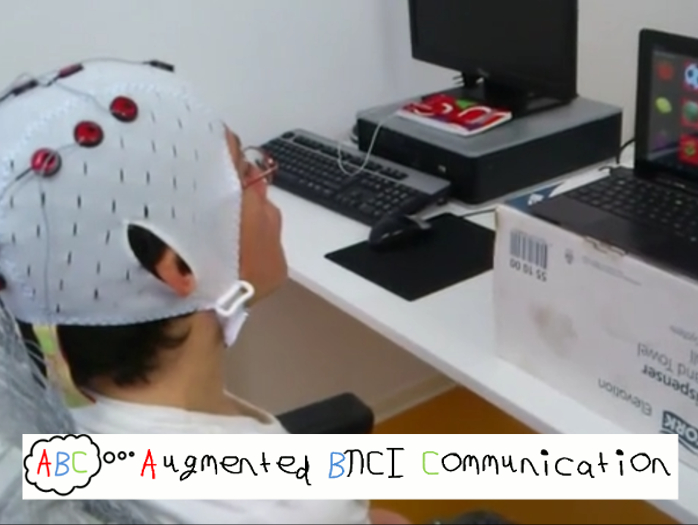
This methodology was then used in the European ABC project to improve the quality life and promote independence of children with cerebral palsy through Brain/Neural Computer Interfaces (BNCI), specifically including Affective Computing and Biosignal Monitoring to enhance communication, control devices, emotion management, and enhance social participation. Moreover, these modules (both combined or stand-alone) have the potential to become part of mainstream applications, benefiting from the augmentation of human capabilities, such as gaming, e-learning, work safety or driving assistance.