Understand Mental Status to Optimise Human-Computer Interaction
- Health
- Mass-product
- Mental
Description
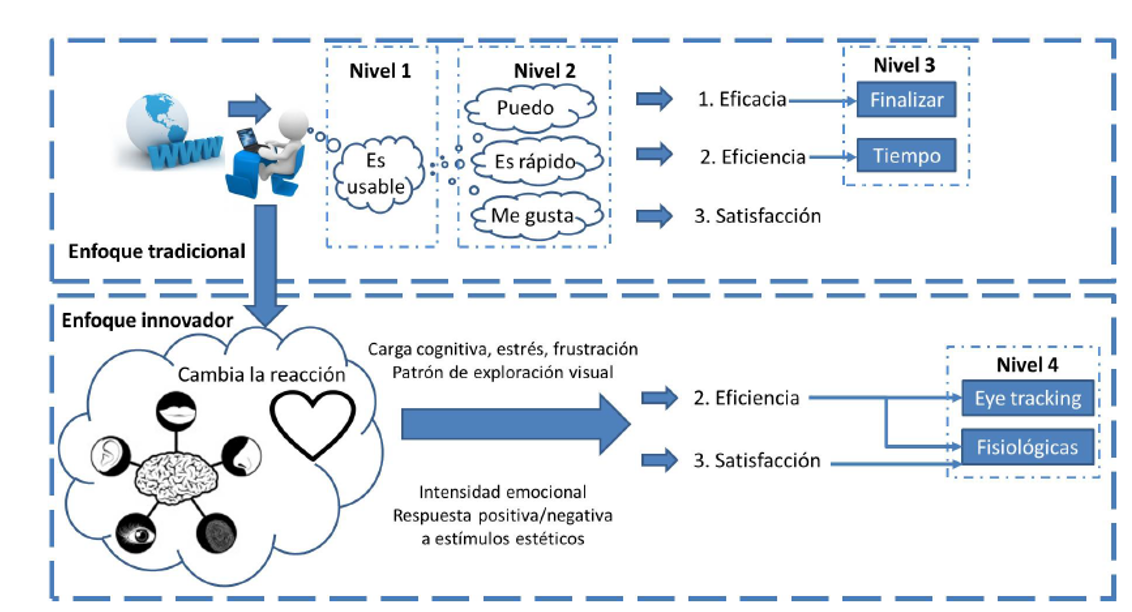
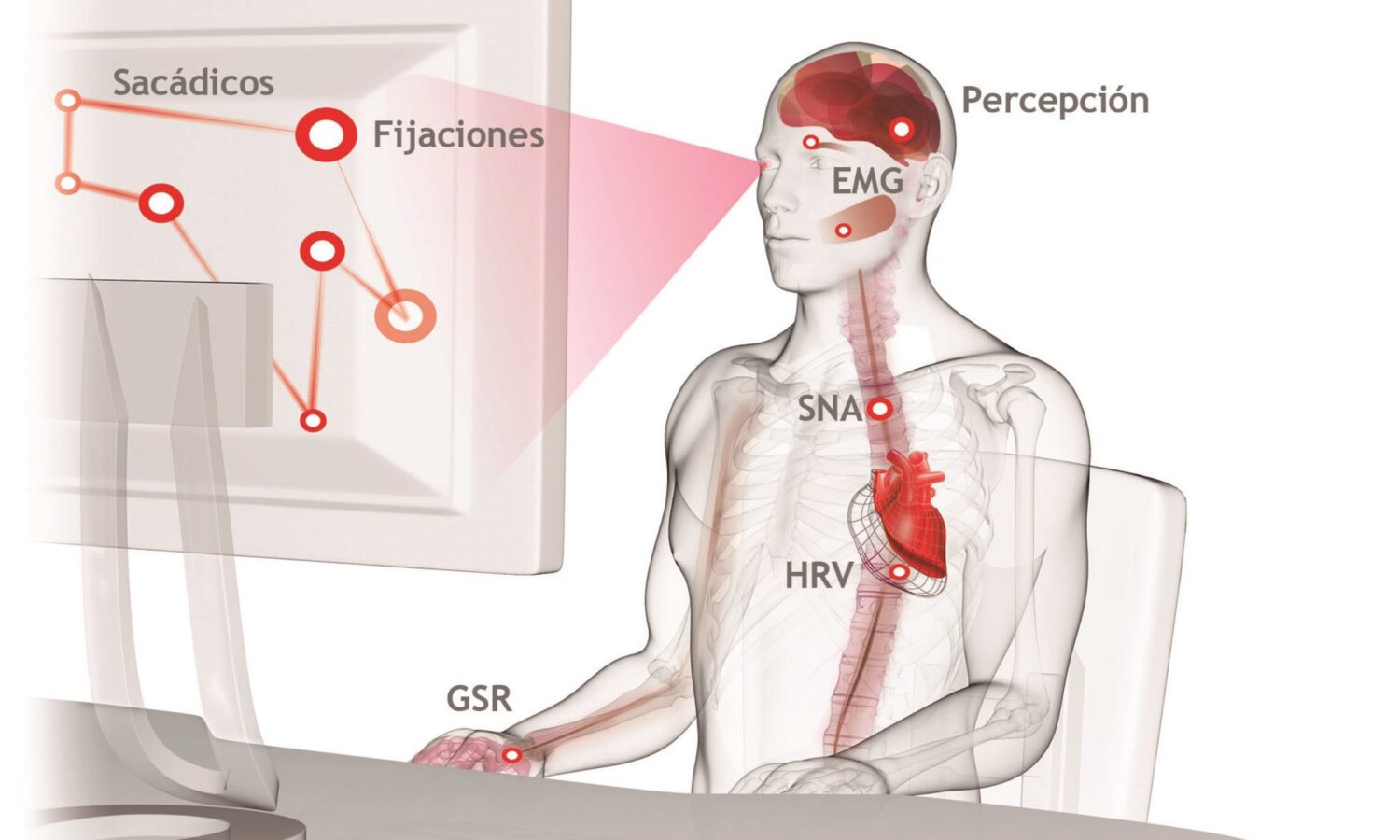
Emotions are related to many key cognitive processes during human-computer interaction (HCI). The aim of this study was to validate usability and accessibility web recommendations depending on user profile, to check the effect of the emotional state on HCI and based on physiological response analysis and eye tracking.

Results
The seed of this work was the PhD Thesis at 2015, where not only was it demonstrated the effectiveness of this approach to measure cognitive workload or attention and relate with the design elements of the website, but also the different interaction approaches of the standard population and people with motor disorders. This demonstrated that the measure of times and errors is not enough, and that physiological response and eye tracking provide more information about human-computer interaction and can detect more subtle differences, generating different publications.
In the following years, it was used in different grant projects and private contracts to assess human-computer interaction and optimise the design of different products, especially focused on people with disabilities and older persons, from banking online services and applications to video games to optimise physical and cognitive status.
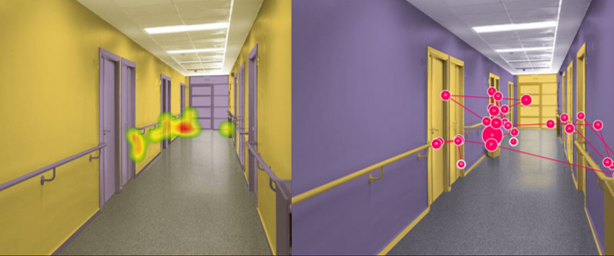
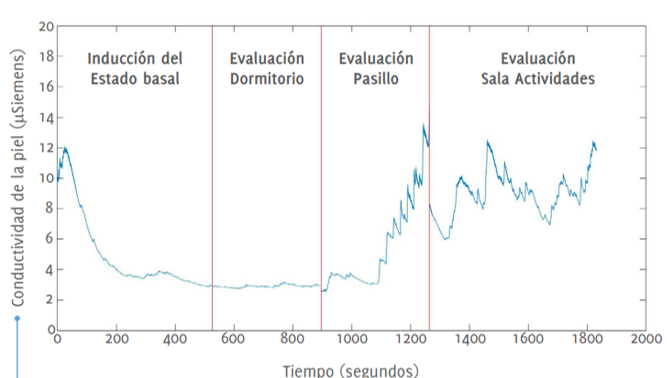
Even more recently (2020), it was used to understand and measure the impact of colour at a home nursing centre to support relaxation of older persons in their rooms or activate them in the collaborative rooms for leisure. Moreover, it was demonstrated how the combination of different colours using eye tracking supports the orientation and navigation of older people.